What to Do When You’re Mentally and Physically Exhausted (And How to Break the Cycle for Good)

The Hidden Cost of Exhaustion
You’re running on fumes, juggling deadlines, meetings, and endless to-do lists, telling yourself, “I’ll rest once I get through this one last thing.” Sound familiar?
For high-achievers—those ambitious enough to chase big goals and brave enough to face constant challenges—feeling overworked can almost feel normal. Somewhere along the way, exhaustion starts to seem like just another price of success, a badge of honor even, as if living on coffee and sheer willpower proves how driven you are. But here’s the thing no one talks about enough: burnout isn’t proof of your dedication. It’s your body—and your mind—waving a giant red flag, telling you it’s time to pause.
Exhaustion doesn’t mean you lack the motivation, discipline, or grit to keep going. You’ve got plenty of that—if anything, probably too much. But what happens when you’re always running at full speed without a pit stop? Eventually, the tank runs empty, and no amount of ambition can push you forward when you're completely drained.
This isn’t about guilt-tripping you for working hard—it’s about recognizing how to work smart. If exhaustion has been creeping in or hitting you head-on, you’re in the right place. This guide will unpack why it happens, how you can bounce back stronger than before, and most importantly, how to break the cycle before it costs you more than you realize. Because the real flex? It’s not burning out. It’s thriving.
Understanding Exhaustion: The Root Causes
The Science of Fatigue
“Burnout doesn’t happen overnight—it’s the slow erosion of your well-being, one ignored signal at a time.”

Think of burnout as a silent thief, creeping in slowly while you’re busy chasing the next goal. It’s not one bad night of sleep or a particularly challenging week at work—it’s the accumulation of stress your body and mind have been trying to warn you about, but you’ve kept brushing aside.
Here’s what’s happening behind the scenes. Chronic stress floods your system with cortisol, the hormone your body releases to manage challenges and threats. Sounds helpful, right? But there’s a catch. When cortisol levels stay elevated for too long, it wreaks havoc on your brain and body. You lose clarity, making even small decisions feel monumental. You become sluggish, irritable, and disconnected—the telltale signs of brain fog. And the kicker? That relentless fatigue feels insurmountable, no matter how much coffee you pour into your system.
Now, layer on things like poor sleep (or skipping it altogether), inadequate nutrition (hello, skipping meals to “save time”), or pushing through endless work hours without meaningful breaks. Over time, you drain your body’s reserves. Instead of repair and recovery, your body is stuck on autopilot, battling to survive another overworked day.
The High-Performer’s Trap
“Rest isn’t a reward for hard work; it’s the foundation of it.”
Here’s where things get tricky for high-achievers. You’re wired to push through. It’s part of what makes you wildly successful, but it can also be your Achilles’ heel. You spot that first little sign of exhaustion—a headache, trouble focusing, maybe a dip in energy—and instead of pausing, you grab an extra shot of espresso, roll up your sleeves, and power through. It feels productive in the moment, but it’s far from sustainable.
Why do we do this? Because hustle culture has taught us that rest is indulgent, something to “earn” after proving ourselves worthy. Taking a break can feel like slacking off, and no high-achiever wants that label. But neuroscience tells a different story. True peak performance doesn’t come from non-stop hustle—it comes from balancing focused effort with intentional recovery. It’s in those moments of rest that your brain builds new connections, organizes information, and gears up for the next challenge. Skipping recovery? That’s like driving on worn-out tires—eventually, they’ll blow out.
The truth is, rest isn’t a luxury; it’s a necessity. It gives your body and brain the fuel to perform at their best. Without it, you’re setting yourself up for a slow decline, not the explosive growth you’re chasing. Recognizing this trap is the first step toward escaping it. Because success isn’t just about enduring the grind—it’s about thriving as you climb.
Stress vs. Burnout
“Stress lights the match, burnout ignites the blaze—once it starts, it consumes everything.”
Stress is like a firecracker—it burns bright and fast, but it’s temporary. A project deadline, a packed schedule, or even a nerve-wracking presentation can ignite stress. It’s a natural response, your body’s way of preparing for a challenge. And here’s the thing: stress, when managed properly, isn’t always a bad guy. It can boost focus, push you to meet goals, and even sharpen your problem-solving skills. It’s short-term, and with the right tools—like breaks, healthy habits, or simply crossing the finish line—you can bounce back.
But burnout? That’s a different animal entirely. Burnout is the wildfire—spreading beyond that single stress spark and consuming everything in its path. Unlike stress, it’s not confined to a moment or even a season. Burnout happens when your stress bucket overflows, again and again, without a chance to recover. Your body stops bouncing back; your mind, once sharp and creative, feels foggy and numb; and suddenly, the effort to keep going feels insurmountable. It’s no longer about meeting a big challenge—it’s about surviving the day.
Understanding the divide between stress and burnout is crucial. Stress can make you feel stretched thin, busy, or overwhelmed, but it’s typically tied to a specific event or situation. Once that situation is resolved, relief replaces the tension. Burnout, on the other hand, comes from chronic stress—when you're locked in a cycle of constant demands without enough downtime to recharge.
The key is catching yourself in that transition. Are you feeling stressed about a particular task, or are you at the point where every task feels like too much? Are you feeling tired after a tough week, or is exhaustion following you no matter how much sleep you get? It’s subtle at first, but the signals are there.
By recognizing the difference, you can start taking steps to address the spark (stress) before the wildfire (burnout) takes over. Remember, stress can be managed; burnout needs to be healed. Catching it early isn’t just smart—it’s necessary to thrive.
related article: Escaping the Overwhelm and Stress Vortex: 11 Steps to Regain Control
The Mental Reset: How to Reclaim Your Mind
Micro-Recoveries Throughout the Day
“Your brain isn’t a machine—it needs recalibration, not just relentless output.”
Here’s the deal—your brain is like a high-performance sports car. Sure, it can hit top speeds, but even the sleekest machines need pit stops. Without them, they’ll break down. That’s where micro-recoveries come in. These are small but intentional breaks that give your brain a chance to refocus and recharge.
Research backs it up—taking short, purposeful breaks during your workday can significantly boost productivity and cognitive function. One method you can use is the 90-minute work cycle. Work in focused blocks of 90 minutes, then step away for 10-15 minutes to recharge. This is your time to stretch, breathe, take a quick walk, or even stare out the window. These moments may feel simple, but they’re doing powerful work behind the scenes—restoring your mental clarity and sharpening your thinking for the next round.
The Power of Self-Compassion
“Success built on self-judgment is fragile. Success built on self-compassion is unshakable.”
How often do you catch yourself thinking, “I should be doing more,” or “Why can’t I just push through?” That inner critic? It’s draining your energy and stacking the stress higher. The truth is, you can’t bully yourself into long-lasting success. Beating yourself up for being tired doesn’t make you stronger—it just amplifies the exhaustion.
Instead, flip the script. Speak to yourself the way you’d talk to a friend who’s struggling—with kindness, patience, and encouragement. Research shows that practicing self-compassion reduces stress and improves resilience. It’s like giving yourself an internal refresher course in mental strength. The more you replace guilt with grace, the more unshakable your success becomes.
The next time you’re spiraling into self-doubt, ask yourself, “What would I say to someone I care about in this situation?” Then, offer those same words to yourself. Kindness isn’t weakness—it’s your secret weapon for sustainable growth.
Decision Fatigue & Mental Clutter
“Mental clutter is like a browser with too many tabs open—close the ones you don’t need to reclaim your focus.”

Have you ever felt completely drained after making a bunch of small decisions—like what to wear, what to eat, or which email to answer first? That’s decision fatigue, and it’s real. Every choice, no matter how small, drains a little more of your cognitive energy. By the end of the day, it’s no wonder you feel like your brain has run a marathon.
Now add mental clutter to the mix. It’s the to-do lists you’re juggling in your head, the unresolved problems, and the ideas you haven’t quite organized. It’s like having 30 browser tabs open at once—you can’t focus fully on one because everything else is fighting for attention.
The fix? Simplify. Create routines to eliminate unnecessary choices. For example, plan your meals or pick an outfit the night before, so you don’t waste energy deciding in the moment. Batch similar tasks together—respond to emails all at once or run all your errands in one trip. And don’t forget to intentionally “close tabs” throughout the day. Write down your lingering thoughts and to-dos so they’re not bouncing around in your mind like ping-pong balls.
Reclaiming your focus doesn’t mean doing less—it means doing less of what doesn’t matter. By removing the clutter, you make room for your best ideas to shine.
When you combine micro-recoveries, self-compassion, and strategies for cutting mental clutter, you’re not just resetting your mind—you’re setting yourself up to thrive. Remember, reclaiming your focus isn’t about perfection. It’s about progress, one small shift at a time.
Related article: 12 Science-Backed Productivity Hacks: How to Amp Up Your Efficiency and Achieve More
The Physical Reset: Recharging Your Body
The Role of Sleep Cycles & Recovery
“Sleep isn’t just rest—it’s repair, restoration, and a reset button for your mind.”

When it comes to recharging, sleep is the ultimate non-negotiable. But here’s the thing—those elusive eight hours everyone talks about? They’re not the whole story. Quality sleep matters just as much, if not more, than quantity. If you’re tossing and turning, scrolling on your phone, or hitting snooze 10 times, your body isn’t getting the deep, restorative sleep it desperately needs.
Deep sleep is where the magic happens. It’s when your brain detoxes, your muscles repair, and your energy tanks refill. To optimize it, start with your bedtime habits. Reduce screen time at least an hour before bed—blue light confuses your brain into thinking it’s still daylight. Keep your sleep and wake times consistent, even on weekends, to regulate your internal clock. And how about a simple wind-down routine? Think soft lighting, a warm shower, or even reading a book that isn’t work-related. It’s not just about falling asleep; it’s about helping your body slip into recovery mode.
Related Article: Recharge to Achieve: Why Rest is Your Ultimate Productivity Hack
Food, Hydration & Movement
“Energy isn’t found in another cup of coffee—it’s built through what you fuel, hydrate, and move your body with.”

Ever feel like your energy dips are a constant battle? Before reaching for that third—or fourth—coffee, it’s time to check in with the basics.
Hydration: Dehydration is a sneaky culprit behind so much exhaustion. Your body doesn’t just crave water; it downright needs it to function. Start your morning with a big glass of water—it wakes up your system and gives you a head start on hydration before the caffeine kicks in.
Nutrition: You know the saying, “You are what you eat”? When it comes to energy, it couldn’t be more accurate. Skipping meals or relying on sugary snacks tricks your body with quick energy that crashes just as fast. Instead, fuel up with nutrient-dense options—think lean proteins, whole grains, and vibrant veggies. These stabilize blood sugar, giving you steady energy to power through your day.
Movement: You don’t need a marathon to feel the buzz of energy movement can offer. Even five minutes of stretching, a walk around the block, or a quick yoga flow can boost your circulation and shake off that mid-day slump. Movement tells your body and mind, “Hey, we’re alive, we’re engaged, and we’re ready.”
Somatic Practices
“Your nervous system is your power source—learn to regulate it, and you control your energy, focus, and resilience.”

If your body feels chronically wired or like it’s stuck in overdrive, your nervous system could be waving the white flag. That’s where somatic practices step in—they’re your toolkit for shifting from stress to calm and from chaos to clarity.
Breathwork: Simple but powerful. Deep, controlled breathing sends a message to your nervous system that it’s safe to relax. Try box breathing—Try box breathing—it’s a simple, powerful way to reset. Take a deep breath in—count to 4. Hold it—4 more counts. Now exhale for 4, and pause again. That’s it. With every breath, you’re taking control and giving yourself a moment to recharge.
Cold Exposure: Cold showers or even splashing your face with cold water can be surprisingly effective. They activate your vagus nerve, which helps switch your body out of fight-or-flight mode and into recovery. It’s a small shock to the system, but in the best way possible.
Progressive Muscle Relaxation: This practice blends mindfulness with physical release. Starting from your toes, tense each muscle group for a few seconds, then slowly release. By the time you get to your head, you’ve guided your whole body into a state of calm.
When you care for your physical energy, it creates a ripple effect. Your mind gets sharper. Your focus locks in. You feel ready to tackle anything that comes your way.Your body isn’t just a vessel—it’s your powerhouse. Treat it like the incredible, resilient machine it is, and watch how it transforms how you move through life.
Long-Term Prevention: Creating a Life That Fuels You
Boundaries with Energy Drains
“Every ‘yes’ to something draining is a ‘no’ to something that fuels you. Choose wisely.”

Take a hard look at your calendar. Is it filled with meetings, commitments, and obligations that leave you dreading the day before it even begins? Here’s the thing—every single “yes” you give comes with a price. And if you’re constantly saying yes to things that drain your energy, you’re also saying no to the things that recharge you.
Setting boundaries isn’t selfish; it’s strategic. It’s about protecting your energy so you can show up fully for the things (and people) who matter most. Start small but firm. Say no to obligations that don’t align with your priorities or values. Manage your calendar like it’s sacred, blocking off time for rest, focus, and fun. Because here’s the truth: you can’t pour from an empty cup, and every time you set boundaries, you’re filling that cup back up.
Boundaries aren’t barriers—they’re filters. They don’t keep everything out; they simply ensure that what gets through is worth your time, energy, and presence.
Reframing Stress as a Tool
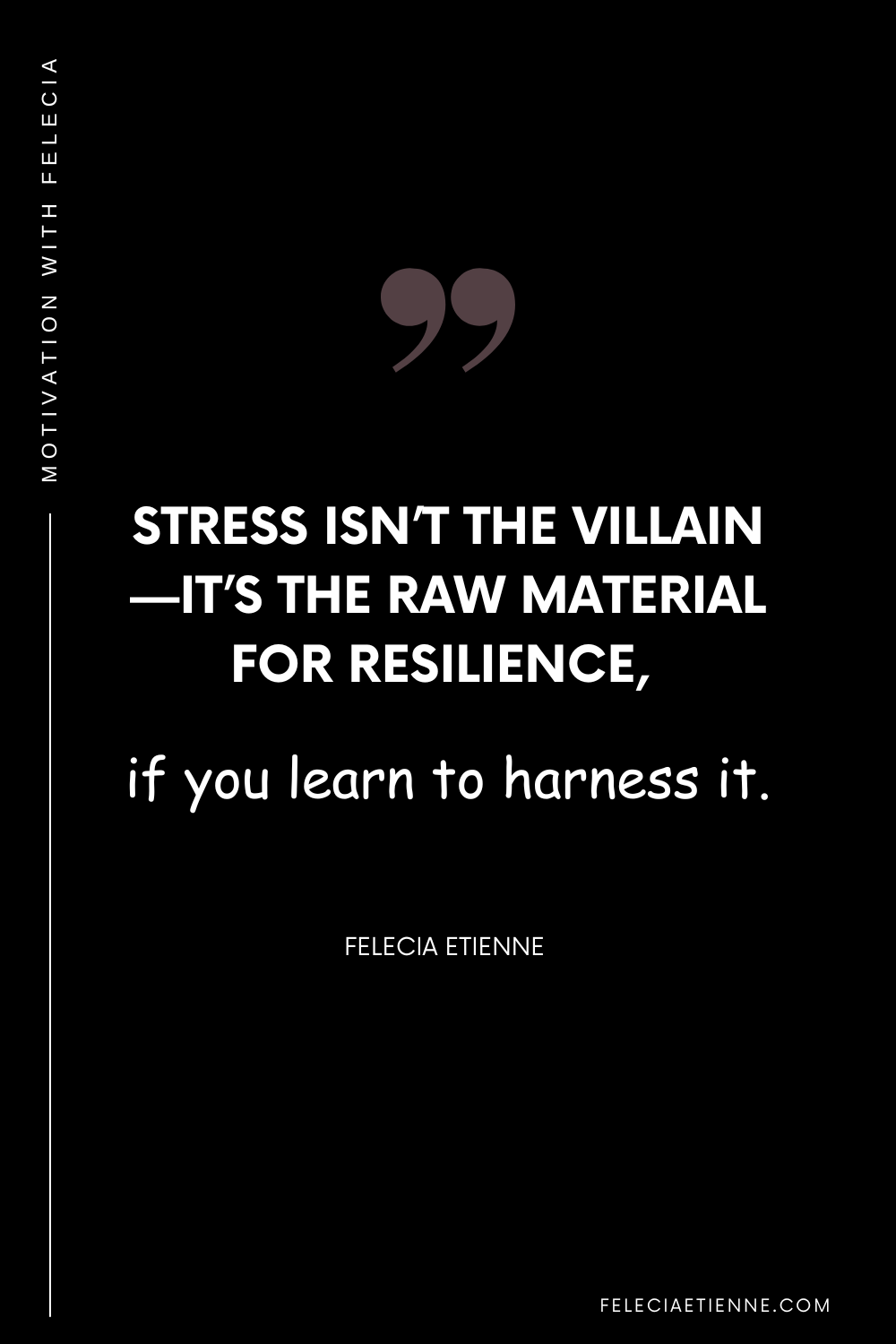
“Stress isn’t the villain—it’s the raw material for resilience, if you learn to harness it.”
Stress has a bad reputation, but it’s not the enemy we often make it out to be. Think of it as raw, unshaped energy. Left unchecked, it can be overwhelming, but when paired with intentional recovery, stress can actually be a performance enhancer. Sounds counterintuitive? Bear with me.
Research in positive psychology shows that stress, when approached the right way, can fuel growth. Think about athletes—they don’t avoid stress; they use it. The pressure of the game sharpens their focus and pushes them to give their best. But the secret is in how they recover. Between those high-intensity moments, they prioritize rest, nutrition, and mental clarity to keep their bodies and minds in peak condition.
You can do that too. When stress hits, instead of running from it, ask yourself this: How can I use this energy productively? What recovery practices will help me bounce back stronger? Stress, when harnessed and balanced, becomes a building block for resilience. It’s not what happens to you that defines you; it’s how you recover and rise afterward.
Building a Resilient Identity
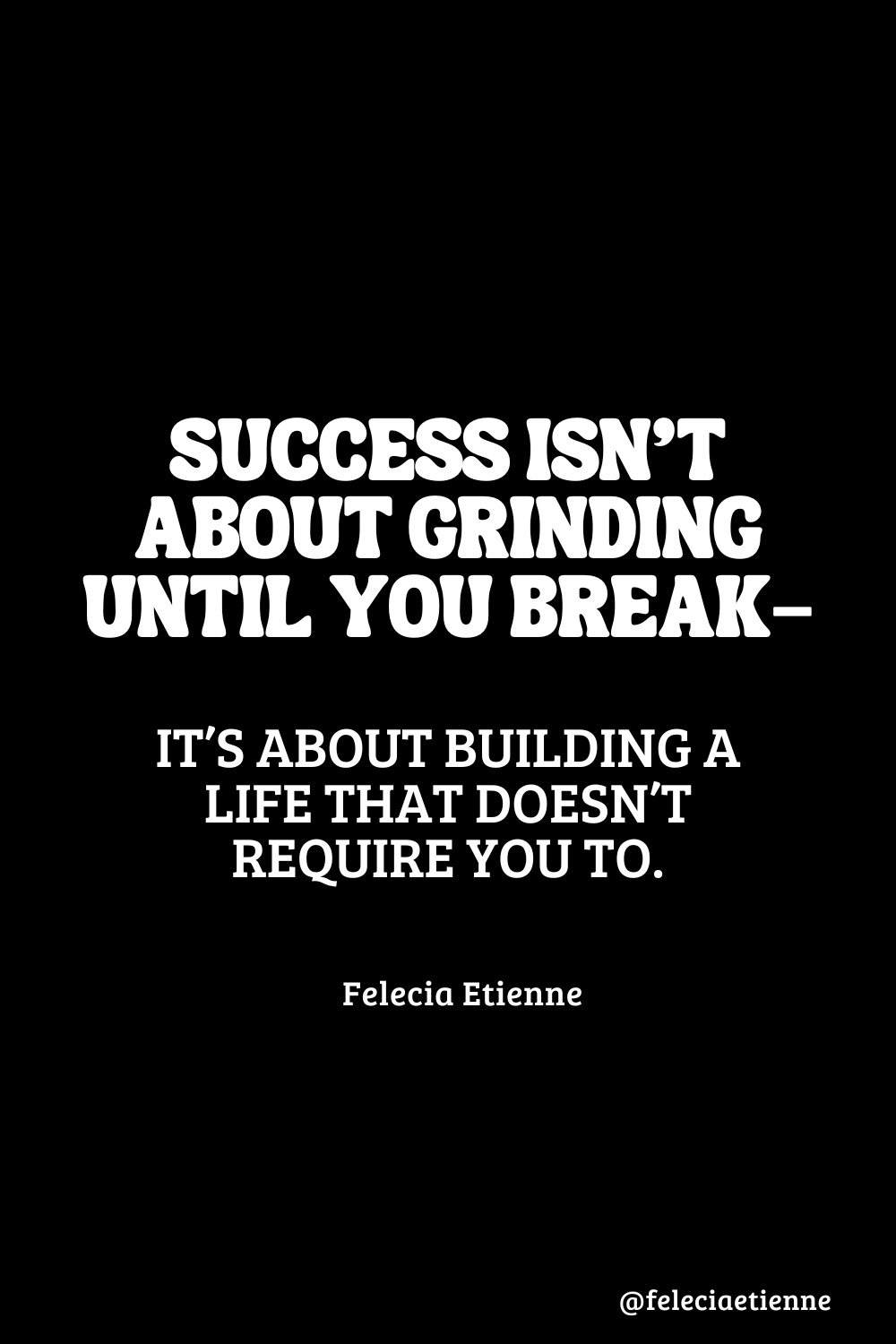
“Success isn’t about grinding until you break—it’s about building a life that doesn’t require you to.”
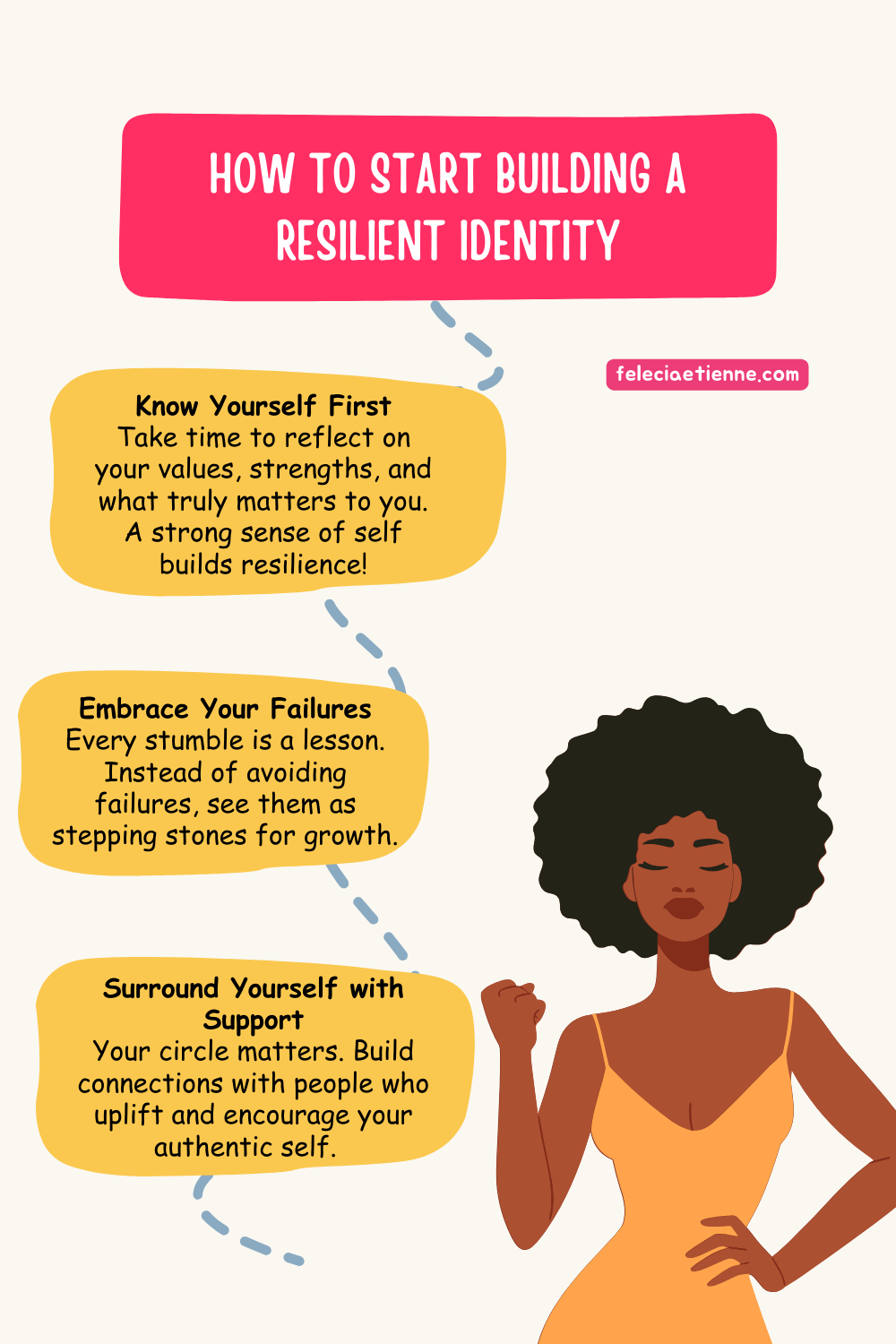
Who are you when you’re thriving—not just surviving? Building a resilient identity means creating a life that supports you, not one that drains you. Success can’t be built on a foundation of burnout; it requires systems, habits, and alignment with your well-being.
Resilient individuals know the value of balance. They’ve mastered the art of focused work and intentional recovery. They don’t just create—they create sustainably, finding joy in the process instead of chasing an endless finish line.
Here’s what it looks like to build a resilient identity:
Knowing when to work and when to rest. You don’t have to earn rest—it’s part of the process, not a reward.
Creating without burning out. Your creativity thrives when you’re clear-headed and energized. Protect that energy at all costs.
Aligning your business and life with well-being. Success doesn’t mean sacrificing your health or relationships. It means building systems that allow both to flourish alongside your ambitions.
When you prioritize this kind of sustainable success, you’re not just growing your business or career—you’re growing yourself. You’re becoming someone who moves through challenges with grace, who builds without breaking, and who thrives in every sense of the word.
Long-term success isn’t just about what you achieve. It’s about how you achieve it—and how it feels along the way. You’re not here to grind endlessly; you’re here to grow intentionally. And that starts with creating a life that fuels you.
Related Article: Turn Failure Into Fuel: Strategies to Thrive and Succeed Against the Odds
Q&A: Addressing the Most Common Concerns
1. How do I know if I’m truly burned out or just tired?
Think of tiredness as a short-term situation—a good night’s sleep or some downtime can usually fix it. Burnout, on the other hand, is like a heavy fog that doesn’t lift. Even after rest, you might still feel mentally, emotionally, and physically depleted. Other signs include a growing sense of cynicism, a lack of motivation, and feeling distant from work you once loved. If you’re not just tired but also feel disconnected or indifferent, you may be dealing with burnout. Your mind and body are shouting for help—it’s time to listen.
2. What if I can’t take a break right now?
Big breaks aren’t always possible, but the good news is that recovery doesn’t demand a two-week vacation. Start small. Even five minutes of intentional breathing can calm your nervous system and create some mental space. Prioritize high-quality sleep—protect it like the precious resource it is. Short resets, like stepping away for a quick walk or practicing gratitude for one thing in your day, can produce immediate relief. You don’t need to overhaul your life overnight to make a difference; incremental changes add up.
3. Is pushing through exhaustion ever the right move?
Sometimes, you’re in a situation where pushing through is necessary—deadlines, emergencies, or high-stakes moments happen. But these should be the exception, not the rule. Long-term, ignoring exhaustion will only lead to diminished results. Imagine driving your car while ignoring the empty fuel light—it might get you a couple more miles, but eventually, it’ll break down entirely. Your best ideas, decisions, and creative work happen when you’re operating with clarity and energy. Instead of seeing rest as a reward, make it a prerequisite for showing up at your best.
4. What’s the fastest way to feel better if I’m completely drained?

When your tank is completely empty, start with a quick nervous system reset. Here’s a simple 10-minute routine to recharge:
Breathwork: Use box breathing—inhale for 4 counts, hold for 4, exhale for 4, and hold again for 4. This technique helps calm your nervous system.
Hydration: Drink a big glass of water. Dehydration can often make exhaustion feel worse.
Movement: Stand up, stretch, or go for a quick walk. It increases circulation and gives your brain a boost.
This trio of breath, water, and movement seems small, but it’s a powerful jumpstart for your energy levels.
5. How do I break the cycle of overworking and burnout?
The first step is to uncover why you’re overworking. Are you afraid of falling short? Worried about external expectations? Once you recognize the root cause, you can rewrite the story you’re telling yourself. Start setting clear boundaries with your time—both for work and recovery. Create systems that limit decision fatigue, like planning your days in advance and sticking to designated downtime. Remember, breaking the cycle isn’t about cutting corners; it’s about being intentional with your energy and priorities.
6. How can I stay productive without constantly running on empty?
The answer lies in energy management, not just time management. Productivity isn’t about squeezing every second out of your day—it’s about showing up fully for what matters most. Think of your energy like a battery that needs regular charging. Schedule breaks as non-negotiable appointments in your calendar, just like meetings. Experiment with methods like time-blocking or the 90-minute work cycles to balance focus and recovery. Make recovery a habit, not an afterthought. Because staying productive isn’t about how much you do—it’s about doing the right things while feeling energized and aligned.
Reclaiming your energy doesn’t require perfection—it requires intention. By taking even small steps to listen to your body and prioritize recovery, you’re setting yourself up for longevity, not just survival. You’ve got this!
Your Next Chapter Starts Here
You deserve more than just surviving—you deserve to thrive. Stress management, burnout prevention, and taking care of your mind and body aren’t luxuries; they’re non-negotiables for building the life and career you envision. And you? You’re capable of doing this. It starts with small, intentional choices. Those five minutes you carve out for a breathing exercise, the boundaries you set to protect your energy, or that moment when you finally say, “this doesn’t work for me”—those are your power moves.
Real resilience? It’s not about grinding through exhaustion or proving you can carry it all on your shoulders. It’s about stepping into alignment, creating space for recovery, and showing up with clarity and focus. This isn’t a far-off dream; it’s right here in front of you, waiting for you to take that first step.
And here’s the best part—you don’t have to figure it out alone. The Empowered Execution Program was designed for people just like you—ambitious, dedicated, and ready to make changes that actually stick. It’s more than just a program; it’s a small community of action-takers coming together to prioritize well-being without sacrificing success.
So here’s your next move: Give yourself permission to take this step. Picture waking up with clear energy, focused on what actually matters, and knowing you’ve got a team behind you who “gets it.” Together, we’ll turn stress into a strategy, refine your systems, and align your actions with the life you truly want. No fluff—just intentional steps and real results.
You don’t have to wait for the perfect moment. You just have to start. Click below to learn more and claim your spot in the Empowered Execution Program. Because you deserve a life that fuels you—and we’re here to help you build it.
Join me at the Best Year Yet Edition of the Productivity Powerhouse Summit!
Here’s what you’ll gain over 4 days with myself and 14+ brilliant experts by your side:
✅ Tools that turn your mind into your greatest ally, not your biggest critic.
✅ Systems and habits designed to reduce overwhelm and create focus.
✅ Neuroscience-backed strategies to rebuild and amplify your confidence.
✅ A clear, step-by-step plan to move from where you are now to where you’ve always wanted to be.
🎯 Here’s the thing—you don’t need to have all the answers to start. You just need the courage to take that first step. Together, we’ll build momentum, one intentional action at a time.
The question isn’t if you’re going to achieve more. The question is whether you’ll take this chance to rewire your mindset and create a future on your terms.
[Click here to register now and make this your Best Year Yet!]

P.S. If you're looking for deeper support as you navigate this transformative journey, here are two ways I can help:
Master Your Mindset: I specialize in helping high achievers, business owners, and professionals break into the top 1% of their field by mastering their mindset and boosting their performance. When you're ready to take your success to the next level, DM me the word "Edge," and let's start that conversation.
Free Resource for Change: Don’t let negative emotions hold you back! Grab my Self-Sabotage Solution Checklist—a free tool designed to help you identify and release the limiting beliefs that no longer serve you. Take the first step toward a more empowered you today!
Embrace this opportunity to shift from burnout to brilliance. Your path to sustainable success starts now!
Ready to achieve your dream life? I’m Felecia Etienne, your go-to Certified High-Performance Coach™ and Mental Fitness Coach. Let me take you on a transformative journey with a Complimentary Unlock Your Performance EDGE call. This isn’t just a chat—it’s your ticket to the high-performance tools and techniques I’ve shared with my coaching clients.
In this personalized call, you'll:
- Dive into your dreams and goals, tackle obstacles, and bridge the gap between where you are and where you want to be.
- Uncover and combat triggers of self-sabotage while discovering untapped strengths.
- You'll walk away with actionable strategies that deliver immediate impact
Equip yourself with the strategies, resources, and support needed to shatter obstacles, self-sabotaging, narrow the gap, and transform your ambitions into tangible achievements. Ready to escape inertia and boost your impact? Book a private and confidential session. Unlock Your Performance EDGE with Felecia. Let's unlock your potential together.
To find out more about Felecia, you can visit her website at feleciaetienne.com.
Social Media Handles:
Feeling stuck and unfulfilled? It's time to break free from self-sabotage!
Download our Self-Sabotage Solution Checklist and
start your journey to personal mastery today.